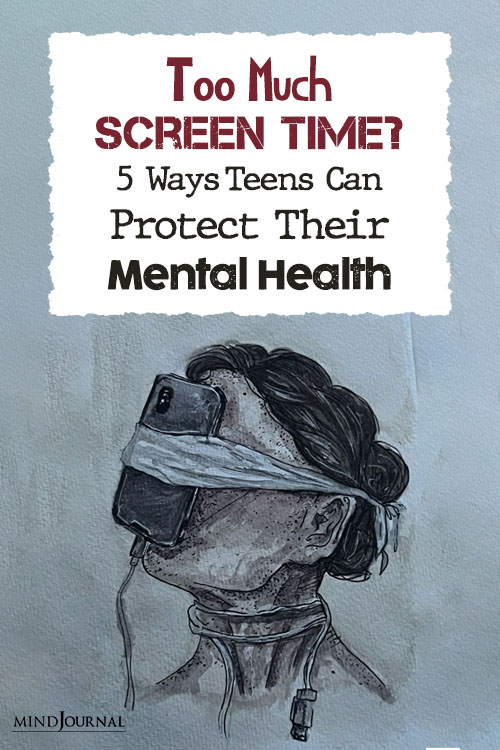
Teen screen time and depression are becoming a growing concern as more young people spend hours scrolling on their phones every day. Experts say the link between screen time and mental health is stronger than many people realize.
The effects of too much screen time can show up as low mood, poor sleep, and feeling emotionally drained after long scrolling sessions.
The good news? A few simple habit changes can help teens break the scrolling-sadness cycle and feel more balanced again.
KEY POINTS
- New research shows that screen time is associated with depression and white matter brain changes in teens.
- Screen time isn’t inherently bad, but how, when, and why it’s used matters a lot.
- Teens don’t need to ditch devices—they just need better digital habits.
If you’ve watched a teen scroll through their phone for hours, you’ve likely wondered if this is just normal life now—or is there something deeper going on?
A new study has linked high screen time and short sleep duration with disorganized white-matter pathways in teen brains. These changes were associated with higher depression symptoms—even when sleep was factored out of the equation.
Screen time may not just disrupt sleep; it may also mess with how young brains are wired to regulate emotions, focus, and mood. But while that sounds ominous, it’s also actionable.
We don’t need to panic—we just need a plan. Here are five ways to maintain good mental health without tossing away your devices.
Related: No More Doomscrolling: 11 Easy Hobbies To Try When You Need A Break!
Teen Screen Time and Depression: 5 Simple Habits to Stop Doomscrolling
1. Moderate; Don’t Eliminate
Treat screen time like junk food: fine in small doses, but not the main course. The average U.S. teen spends over eight hours a day on screens—not counting schoolwork. That’s a lot. But banning devices isn’t realistic or necessary.
Instead, encourage moderation. Under four hours per day of non-school screen time is linked to better mood and health outcomes in national CDC data.
Encourage mindful choices about how much time is spent and what platforms are being used. Passive scrolling? Not great. Creative apps or friend video chats? Better.
2. Prioritize Sleep
Screens are sleep thieves. The blue light delays melatonin release. The FOMO keeps kids swiping long after lights out. Poor sleep combined with screen time created the biggest mental health risks, according to the new research.
Sleep isn’t just rest—it’s an emotional reset. And teens need eight to 10 hours a night to keep their mood in shape. The parenting goal here is to minimize phone use in the bedroom.
Set a tech curfew one hour before bed, use “do not disturb modes” frequently, and absolutely no phones in the bedroom at night.
3. Lean Into the Offline World
Think about all the wonderful activities that screen time, unfortunately, replaces. Whether it’s sports, walks, family dinners, or creative pursuits, offline life is where emotional resilience is built.
Real-world experiences help teens develop social skills, confidence, and a sense of purpose—things that no app can truly replicate.
The brain needs novelty, movement, and connection, and those are harder to come by when you’re staring at a screen for hours.
Even something as simple as baking cookies, shooting hoops, or walking the dog provides mental refreshment that social media can’t match.
Encourage teens to engage in non-digital experiences—where serotonin is served, not streamed. Even 20 to 30 minutes outside can do more for a teen’s brain than an hour on TikTok.
4. Make Screen Time Smarter
Not all digital activities are created equal. Some apps drain us. Some apps build us up.
Introduce content that supports well-being—like journaling apps, gratitude trackers, music creation tools, or meditation platforms. Even just choosing active engagement over passive viewing is a win.
We should be helping teens reflect on how their screen habits affect their mental state.
Try to get in the habit of asking yourself if a game is relaxing or frustrating. Does this social feed make you feel better or worse? Are you doomscrolling or decompressing?
It is much easier to change behavior if we can start by identifying our own patterns of engagement.
5. Keep the Conversation Going
Many teens feel overwhelmed or ashamed by how much time they spend online. Silence is probably the worst strategy. We can’t ignore this and hope it goes away.
On the other hand, try not to embarrass your teen.
Instead of scolding, try starting a conversation with questions like these:
- What do you like about this app?
- What would happen if you used it less?
- How do you feel after using it?
Help teens connect the dots between use and mood—so they begin to steer their own digital wellness. Digital literacy and emotional literacy go hand in hand.
Related: Technology Addiction Art: 25 Satirical Illustrations Depicting The Grim Reality
Conclusion
Screens are here to stay. So let’s teach our teens to swipe wisely, scroll with intention, and log off when life calls them to something more vibrant, embodied, and real.
Heavy screen time isn’t neutral—it’s shaping young brains and moods. But teens don’t need to abandon digital connections altogether. They just need smarter strategies.
© Kevin Bennett, Ph.D., 2025
References:
Lima Santos JP, Soehner AM, Biernesser CL, Ladouceur CD, Versace A. (2025). Role of Sleep and White Matter in the Link Between Screen Time and Depression in Childhood and Early Adolescence. JAMA Pediatr. 2025 Jun 23:e251718. doi: 10.1001/jamapediatrics.2025.1718

Zablotsky B, Ng AE, Black LI, Haile G, Bose J, Jones JR, et al. (2025). Associations Between Screen Time Use and Health Outcomes Among US Teenagers. Prev Chronic Dis 2025;22:240537. DOI: http://dx.doi.org/10.5888/pcd22.240537
Written by Kevin Bennett Ph.D.
Originally Appeared on Psychology Today